
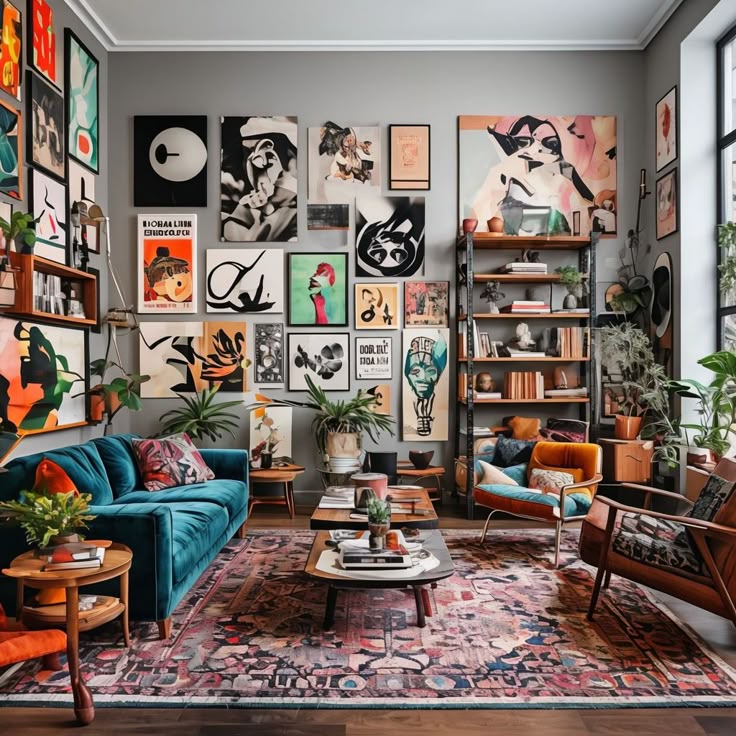
Blank walls are a missed opportunity. You want something unique - not a mass-produced poster - but commissioning an artist feels out of reach. AI wall art changes that. In this guide, you'll learn exactly how to create stunning, print-ready art with AI: from choosing the right style and writing prompts that work to turning your creation into real wall art you can hang at home.
What Is AI Wall Art?
AI wall art is artwork created or refined with artificial intelligence, then printed and displayed as physical wall decor. You describe what you want (or upload a reference), the AI generates one or more images, and you pick the best one. You then choose size, format, and frame, and order a premium print delivered to your door. The result is personalized, original-looking art that fits your space and taste - often at a fraction of the cost of traditional commissions.
Start With the Right Mindset
Before you type a single prompt, one idea will save you time and frustration: aim for one piece you truly love rather than a dozen random images. AI can produce hundreds of options in minutes, but the goal is a small set of strong candidates that look good large and in a frame. Think about the room, the mood, and the colours around the space. That focus makes the rest of the process much easier.
Choose a Style That Works on a Wall
Not every image looks good as wall art. Some styles read clearly from across the room and hold up at large sizes; others feel busy or flat when printed. These tend to work well:
- Landscapes and nature - Skies, mountains, forests, and coasts give depth and calm. They're easy to match with neutral rooms.
- Abstract art - Shapes, colour blocks, and soft gradients add character without demanding a literal “subject.” Great for modern or minimalist spaces.
- Minimalist and geometric - Simple lines, limited palettes, and clear composition stay readable at any size and pair well with contemporary decor.
- Botanical and organic - Leaves, flowers, and natural textures bring softness and life. They work in living rooms and bedrooms.
If you're new to AI art, start with one of these. You can experiment with portraits, surreal scenes, or photorealism once you're comfortable with the basics.
Write Prompts That Get Great Results
Your prompt is the main lever for quality. Vague requests like “something pretty” usually produce generic images. Specific, visual language gets you closer to what you imagine.
Be specific about subject and composition
Say what’s in the scene and where. For example: “abstract oil painting of soft blue and grey waves, horizontal composition, calm mood” is much stronger than “abstract painting.” Mention the medium (e.g. oil painting, digital art, watercolour) and whether the layout is horizontal, vertical, or square - especially if you already know where the print will hang.
Describe lighting and mood
Words like “golden hour,” “soft diffuse light,” “dramatic shadows,” or “pastel and muted” steer the AI toward a clear mood. This helps the result feel coherent and intentional.
Try a few variants
Generate several versions. Change one detail (colour, time of day, or style) and compare. Often the third or fourth attempt is the one that feels right for your wall.
From Idea to Print: The Practical Steps
Once you have an image you like, the next steps are straightforward. For detailed advice on dimensions and frames, see our guide on choosing the right size and frame for your wall art. Use an AI image generator that fits your workflow - whether that’s text-to-image from scratch or refining an existing idea. When the artwork is ready, pick the right size and aspect ratio for your wall. A large sofa wall can take a wide landscape; above a sideboard or in a hallway, a vertical or square format often works better. Then choose a frame: a simple black or white frame suits most modern interiors; wood or metallic finishes can warm up or add contrast. Use a live preview if the tool offers one so you can see how the final print and frame will look. Finally, place your order. Quality prints are typically produced on heavy paper or canvas and shipped in protective packaging - often within a few business days in Europe (see our European delivery guide for timing and tracking).
Taking a moment to preview your art at real size with the frame you chose helps you order with confidence. That way you get a piece you are happy to hang, not a pleasant surprise in the mail.
Quick Tips for Beginners
- Start simple. One clear idea (e.g. “minimalist mountain at sunset”) is easier to refine than a crowded, detailed scene.
- Consider the room. Match the art’s mood and colours to the space so it feels part of the room, not stuck on the wall.
- Prefer strong composition. Simple, clear focal points and balance usually look better at large sizes than busy, detailed chaos.
- Embrace iteration. Your first prompt rarely delivers the final image. Treat the first results as drafts and iterate.
- Think in series. Two or three pieces in the same style or palette can turn a wall into a curated gallery.
You're Ready to Create
Creating AI wall art doesn’t require design experience - just a clear idea, a bit of patience, and the willingness to refine. Choose a style that fits your space, write clear, specific prompts, and iterate until you have an image you’d be proud to hang. Then pick your size and frame, and turn that idea into real art on your wall.
Ready to try it? Start with a few free credits: generate your first image, play with style and composition, and see how fast you can go from blank wall to a piece of wall art that’s uniquely yours. For more on why it's worth printing, read From screen to wall: why your AI creations deserve to be printed. Planning to give AI wall art as a gift? Check out our personalized wall art gift guide for occasions and ideas. Wondering what you can do with your image from a copyright perspective? Our AI art and copyright guide explains what you can print and display.

